


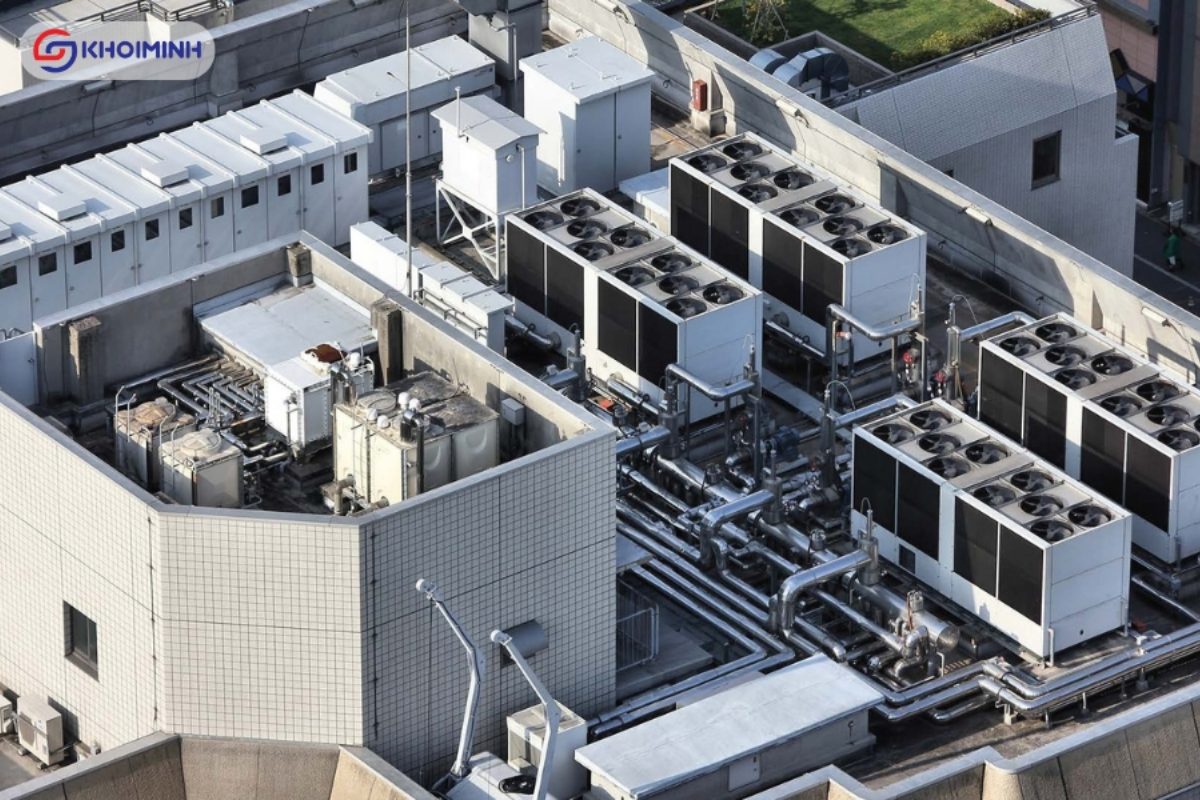
What is HVAC? Understanding HVAC SystemsWhat is HVAC? Concept and Historical Development
HVAC stands for Heating, Ventilation, and Air Conditioning. This technology controls temperature, humidity, and air quality within living and working spaces, ensuring a comfortable and safe environment for occupants. HVAC systems are common in residential and office settings and are widely applied in industrial buildings, hospitals, and commercial centers.
The history of HVAC development originated from the need to improve indoor air quality (IAQ) in residential and public facilities. Over time, HVAC has evolved from simple systems into modern technologies integrated with smart systems and IoT, enabling more efficient environmental management and control. These advancements minimize energy consumption and improve air quality.
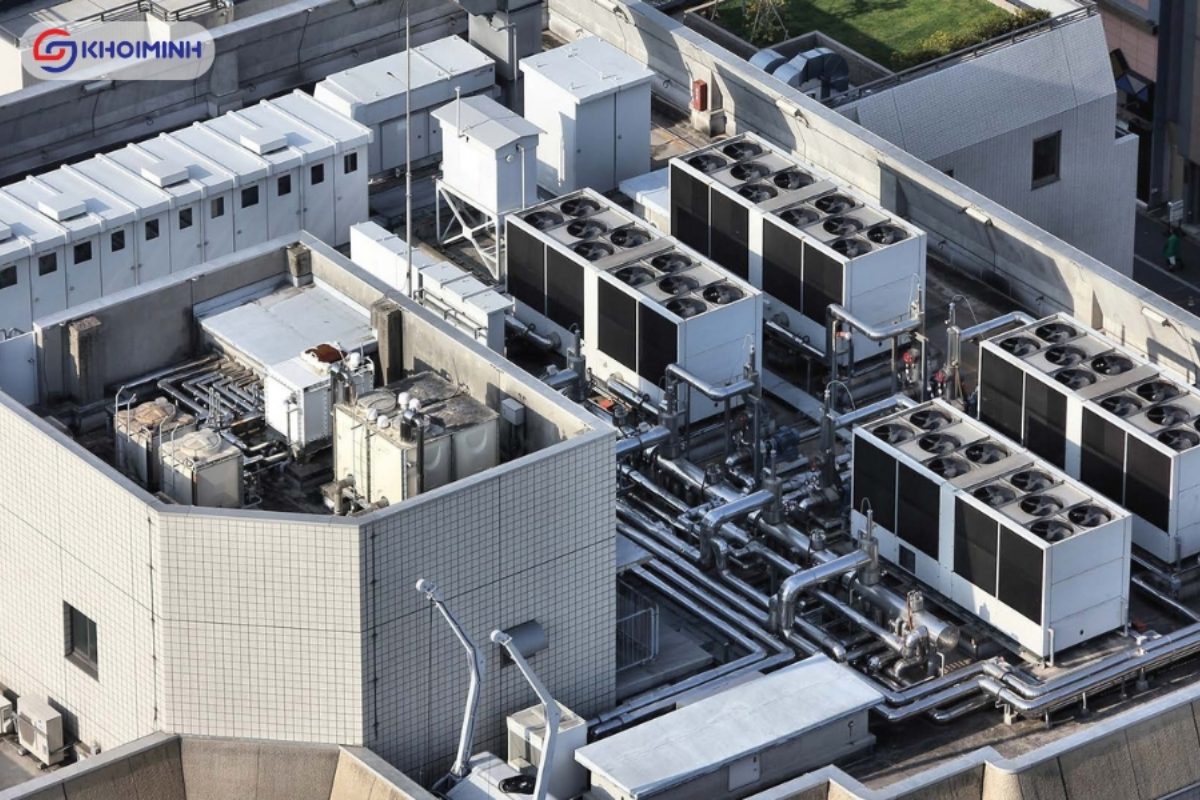
HVAC System Components and Operating Principles
Main Components of an HVAC System (Chiller, AHU, Heat Pump)
An HVAC system consists of various equipment such as Chillers, AHUs (Air Handling Units), and Heat Pumps. The Chiller cools water or refrigerant to reduce temperature. The AHU handles and circulates air, while The Heat Pump provides heating and cooling capabilities as required.
Additionally, there are three equally important components: Cooling tower, Condenser Water Pump, and Chilled Water Pump.
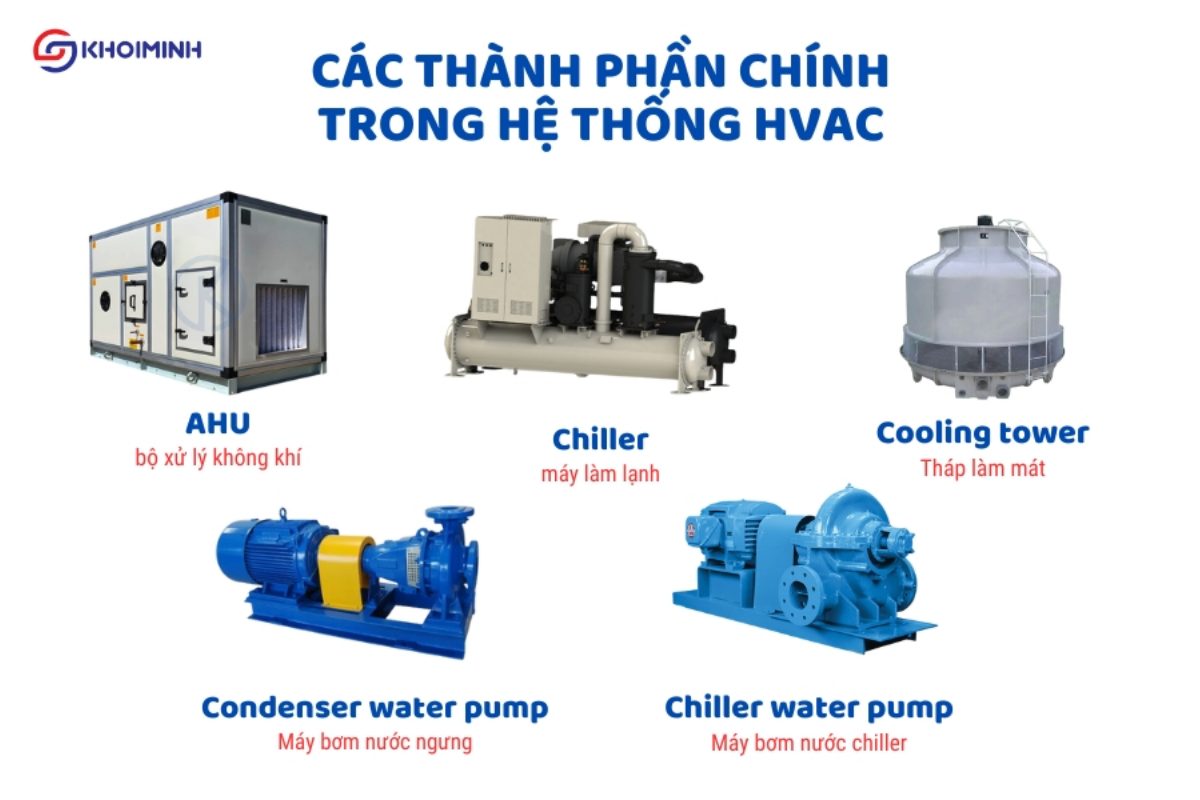
Main components of an HVAC system
HVAC Operating Principles:
Heating, Ventilation, and Cooling
The operating principle of HVAC is based on the processes of heating, ventilation, and cooling. The system adjusts itself to match weather conditions and specific user requirements. The ventilation component facilitates air exchange, removing exhaust gases and introducing fresh air. Heating and cooling ensure the space maintains appropriate temperature and humidity levels.
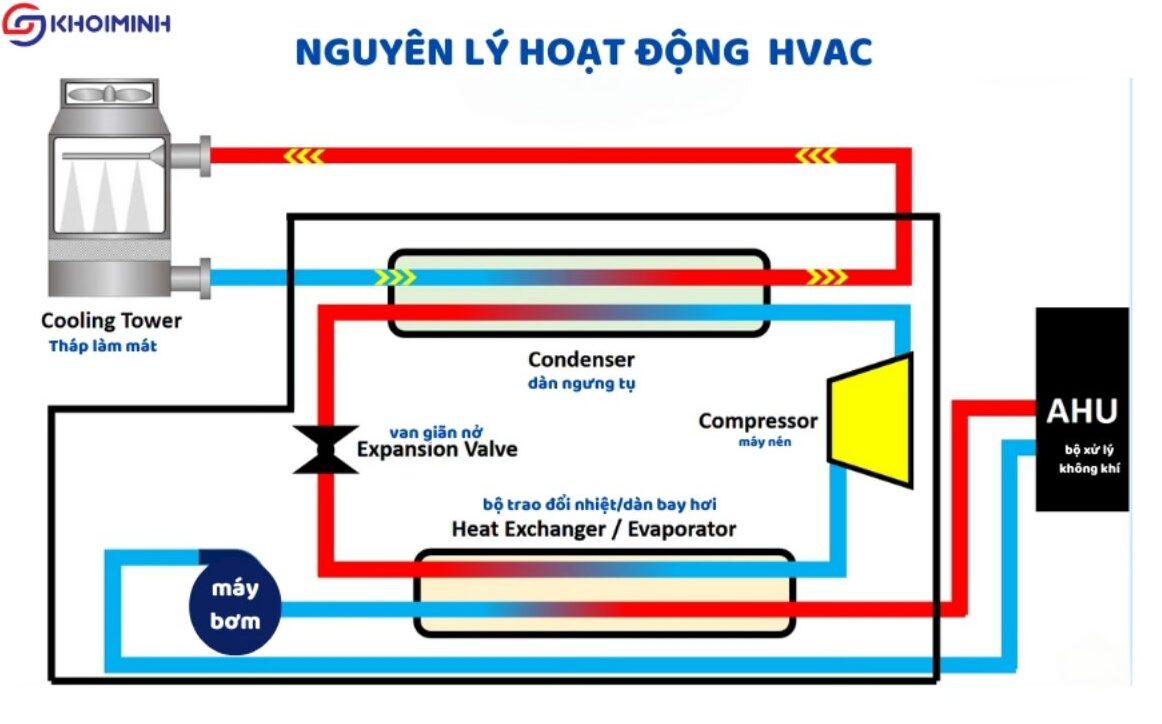
Air Filtration and Humidity Control
In ventilation and cooling systems, air filtration and humidity control play vital roles. Air filtration removes dust, bacteria, and pollutants, providing a clean environment. Simultaneously, humidity control helps maintain an ideal environment, protecting occupant health and preventing mold issues.
Common Types of HVAC Systems
Residential HVAC and Industrial HVAC
There are two main types: Residential HVAC and Industrial HVAC. Residential systems are designed to be compact, user-friendly, and energy-efficient. Industrial HVAC systems are more complex, requiring high processing capacity to maintain stable environments in large-scale spaces.
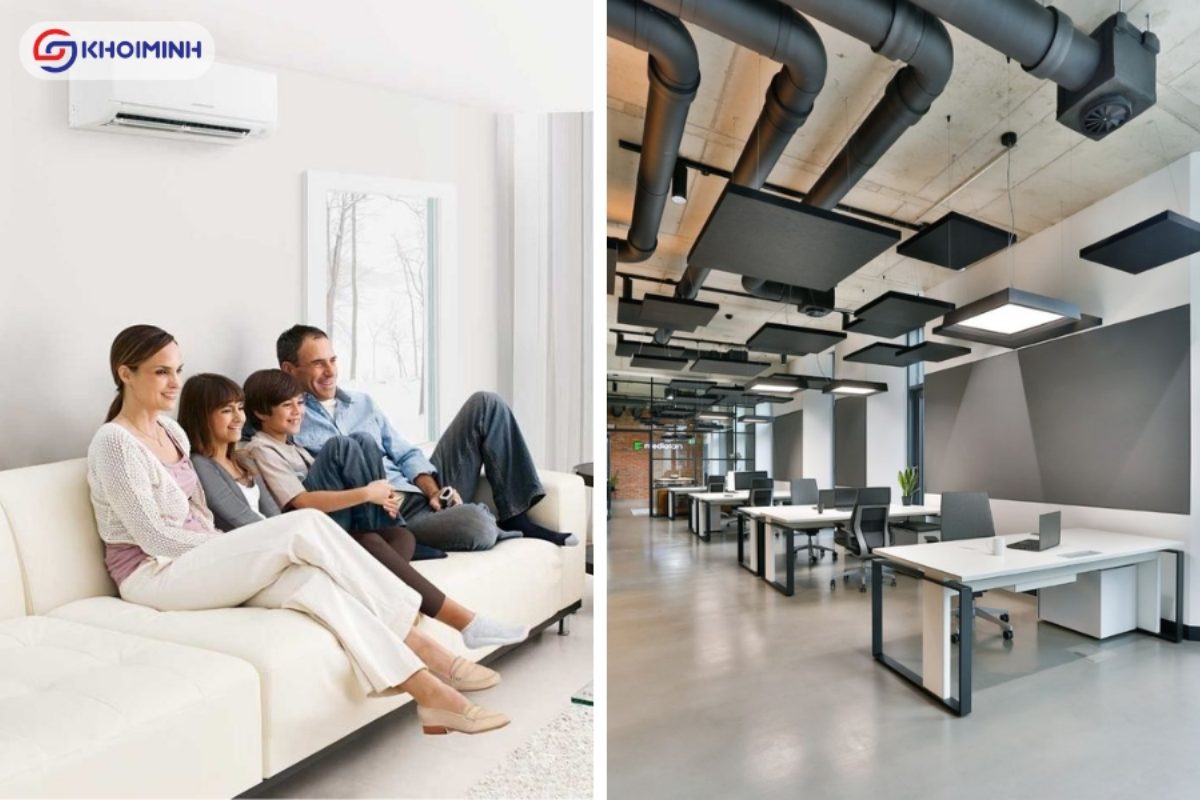
Residential HVAC and Industrial HVAC
Central Air Conditioning Systems and Industrial Applications
Central air conditioning systems are common in office buildings and factories, ensuring uniform cooling for large areas. This system allows for centralized temperature control, resulting in energy savings and reduced operational costs.
Industrial Cooling Systems for Large-Scale Environments
Industrial cooling systems are designed to maintain low temperatures in plants and large production areas. These systems protect equipment, extend machinery lifespan, and ensure products are manufactured under optimal conditions.
Benefits of HVAC Systems in Buildings and Plants
Energy Efficiency in HVAC: Solutions and Performance
Modern HVAC systems focus on energy efficiency, utilizing advanced technology to minimize consumption. These solutions reduce operational costs and protect the environment.
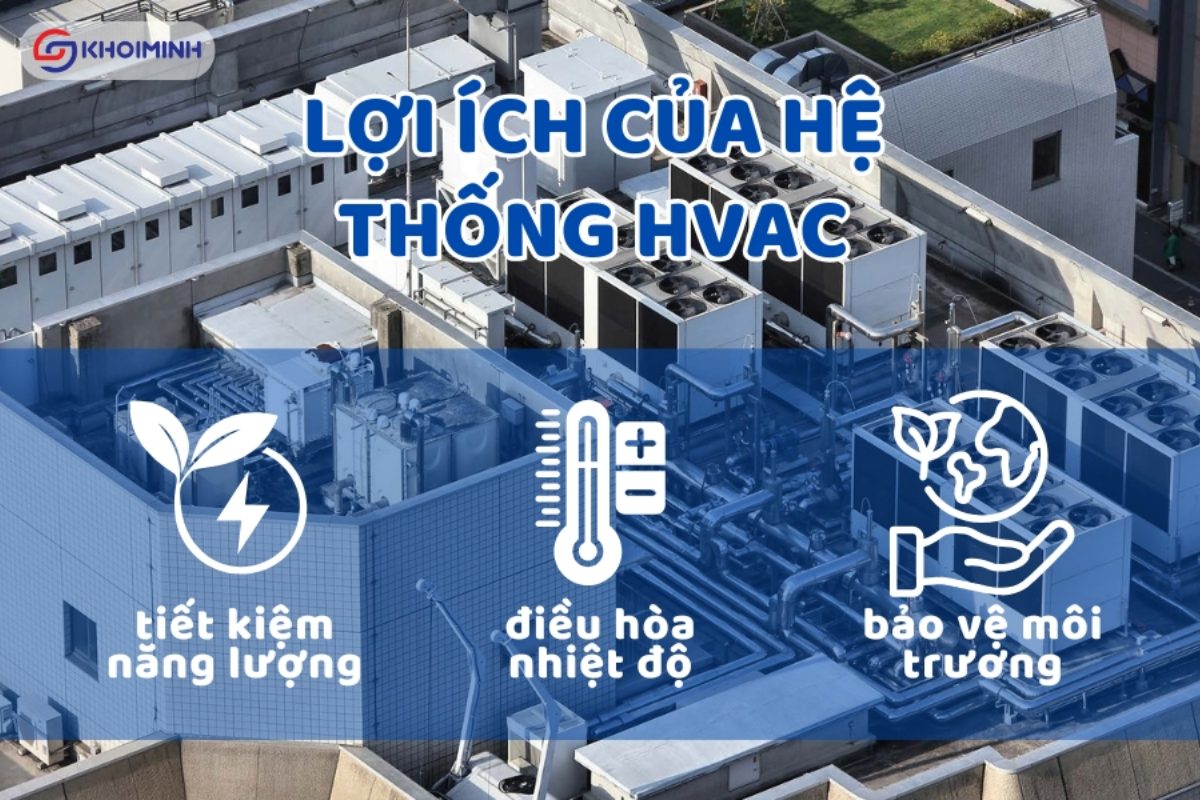
Benefits of HVAC Systems in Buildings and Plants
Optimal Temperature and Humidity Control
HVAC enables optimal control of temperature and humidity, creating favorable conditions for living and working while reducing the risk of mold and respiratory-related illnesses.
Air Filtration and Environmental Quality Improvement
HVAC air filtration systems remove dust particles, bacteria, and pollutants, ensuring living spaces remain clean and fresh, thereby protecting human health.
HVAC System Design and Installation Process
Steps for Designing and Installing HVAC Systems for Buildings
The HVAC design and installation process requires meticulous preparation, including site surveys, appropriate system design, and professional installation. An effective design ensures stable operation and energy efficiency.
Selecting Suitable Industrial HVAC Equipment
Selecting industrial HVAC equipment requires careful consideration of capacity, durability, and energy efficiency to ensure the system operates effectively in harsh environments.
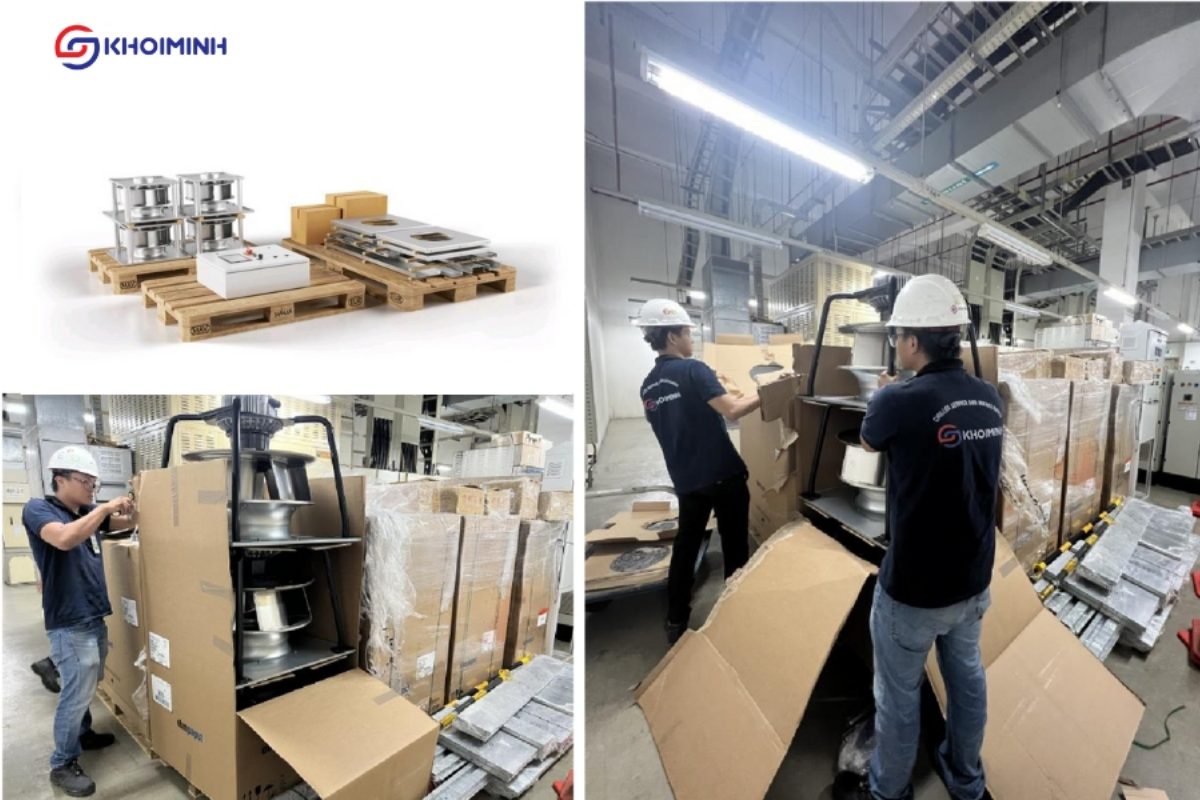
Khoi Minh prepares EC fans for installation at the SaiGon Centre project
Factors Affecting HVAC System Performance
HVAC system performance depends on factors such as design, equipment selection, and periodic maintenance. Ensuring these factors optimizes system lifespan and operational capability.
Khoi Minh specializes in providing comprehensive HVAC services from design consultancy to installation, ensuring all client requirements are met with sustainable and exceeding results. CONTACT KHOI MINH NOW for support and the most optimal HVAC solutions for your business.
HVAC System Maintenance and Servicing
Why is regular HVAC maintenance necessary?
Periodic maintenance is critical for ensuring HVAC systems operate durably and efficiently. Without maintenance, systems are prone to failures, leading to high repair costs and reduced service life.
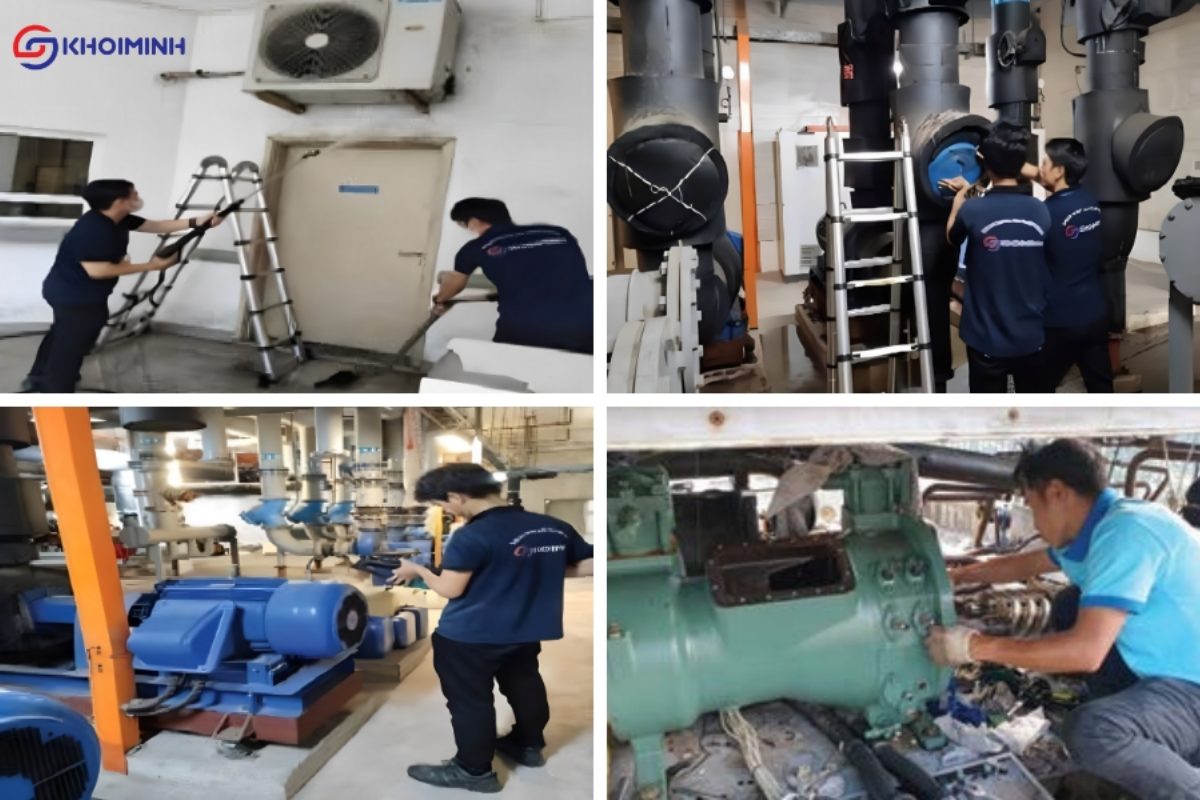
Khoi Minh specialists in HVAC maintenance and servicing
Common HVAC Maintenance Services
HVAC maintenance services include filter cleaning, performance testing, and necessary component replacement. This ensures the system remains stable and reduces energy costs.
Benefits of Periodic Maintenance for Performance and Equipment Lifespan
Periodic maintenance not only enhances performance but also extends equipment lifespan, ensuring the system operates well over the long term.
HVAC System Applications Across Various Sectors
Applications in Office and Commercial Buildings
HVAC maintains temperature and humidity in office buildings and commercial centers, creating a comfortable working environment and increasing productivity.
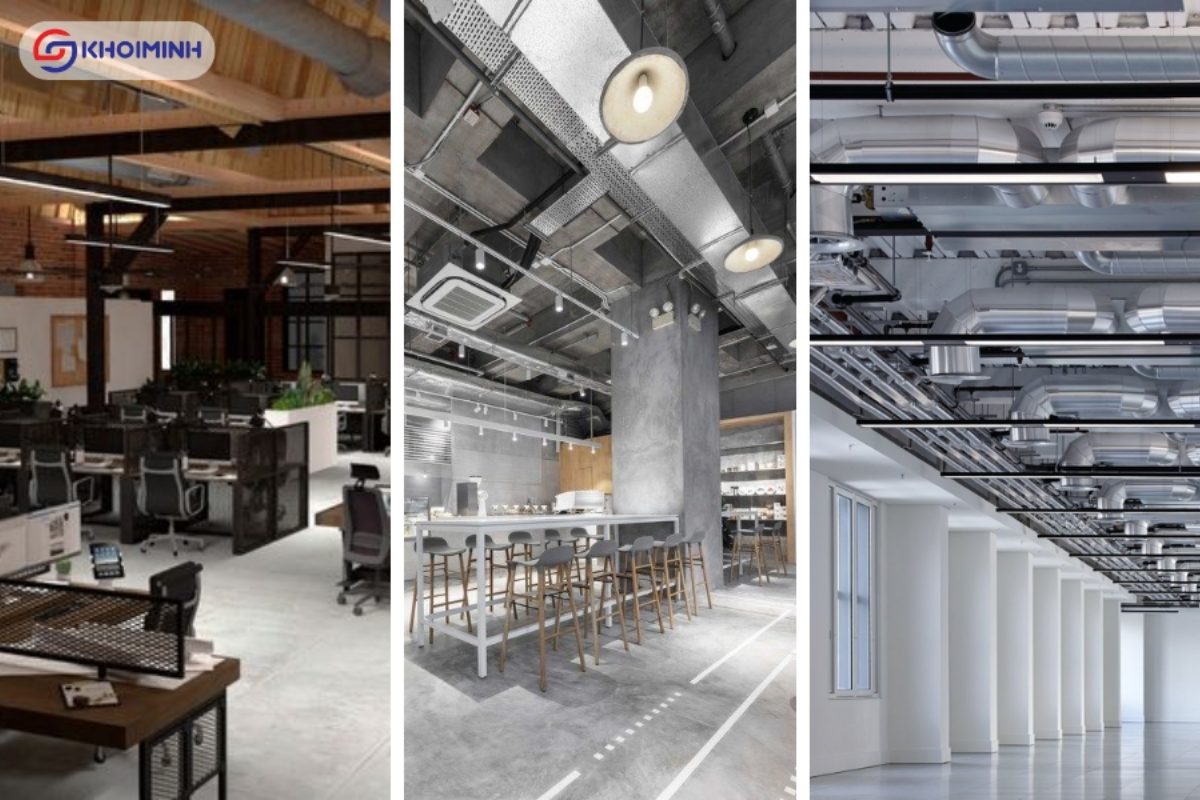
HVAC System Applications Across Various Sectors
HVAC Systems for Manufacturing Plants and Warehouses
In production and storage, HVAC plays a vital role in maintaining ideal environmental conditions, protecting product quality, and ensuring occupational safety.
HVAC Cooling Solutions in Harsh Environments
In high-temperature environments, HVAC cooling solutions protect machinery and create safe working conditions for personnel.
New Trends in HVAC Technology
Smart HVAC and IoT in Environmental Control
Smart HVAC and IoT trends enable remote monitoring of temperature and humidity and automate environmental adjustment processes, providing superior efficiency.
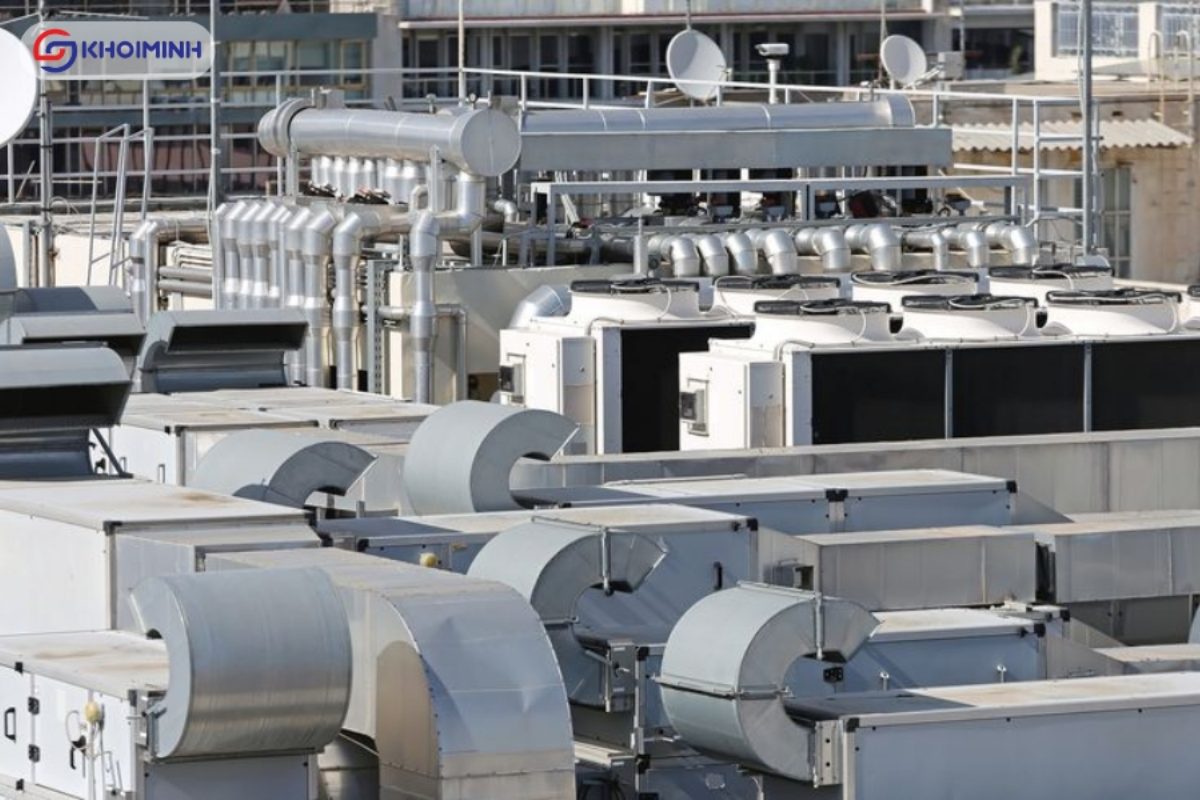
New Trends in HVAC Technology
Energy-Saving Solutions in Modern HVAC
New technologies focus on energy savings, such as inverter compressors, which reduce costs and protect the environment.
Advanced Heat Pump and Air Filtration Technology
Advanced heat pump and hair filtration technologies make HVAC systems more efficient, enhancing air quality and reducing costs.
CONCLUSION
HVAC not only ensures comfort but also protects health and saves energy for buildings and plants. When selected and maintained correctly, HVAC provides long-term benefits, contributing to a modern and convenient living and working environment. If you found this article helpful, remember to visit Khoi Minh frequently for updates on useful HVAC system knowledge.